Bedroom Lighting Guide: Warm, Layered, and Calm
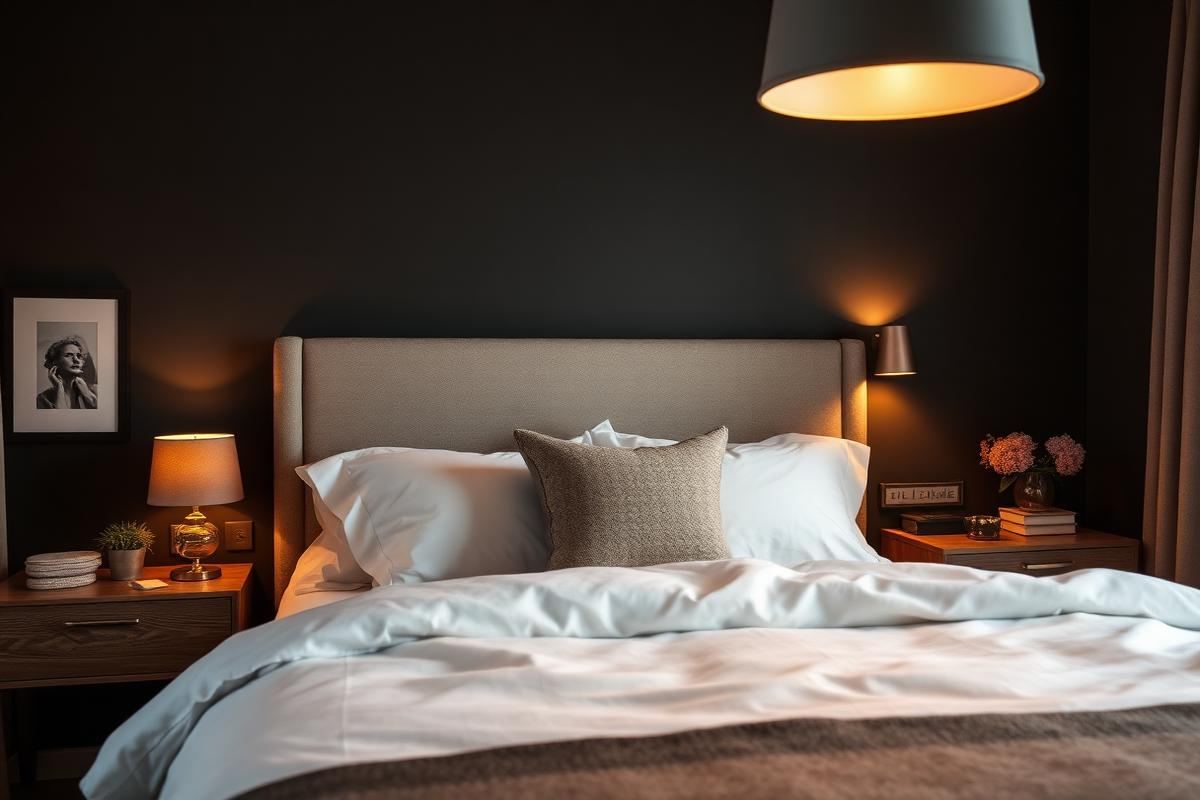
Bedroom Lighting Guide: Warm, Layered, and Calm is one of those topics where a little planning goes a long way. In this guide I walk through the process we use in real homes — not just what looks good in a photo, but what actually holds up over time.
Start here
Before you buy or move anything, measure the space and note how you actually use it. The best-looking room is one that matches how you live, so start with the routines: where you sit, where you drop keys, where the light falls in the afternoon.
The essentials
Focus on the pieces that do the most work. Get those right and the rest of the room comes together with much less effort. Aim for materials that patina rather than degrade, and colors you will still like in five years.
- Choose one clear focal point per room.
- Pick materials that improve with age.
- Layer textures instead of adding more colors.
- Leave visual breathing room — negative space is a design element.
Common mistakes
The mistakes we see most often are matching everything too tightly, over-scaling accessories, and skipping proper lighting. Fix those three and most rooms improve overnight.
Mastering the Bedside Glow
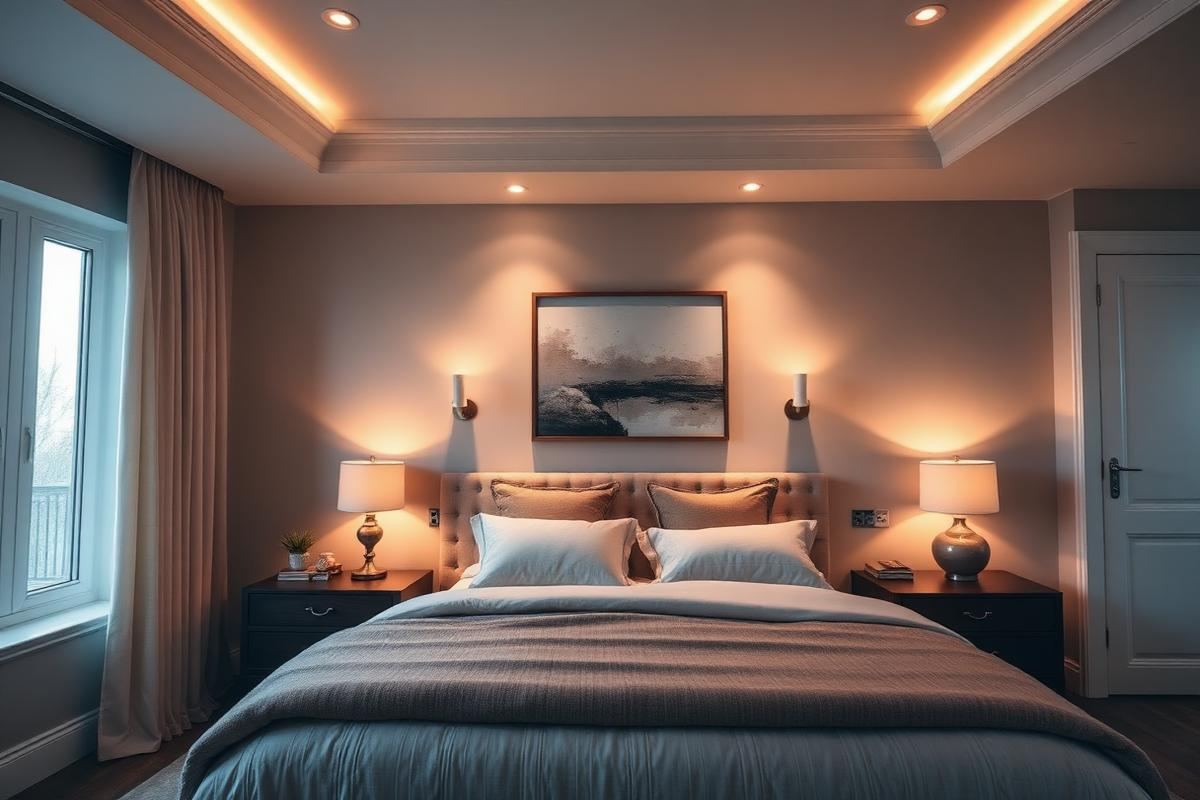
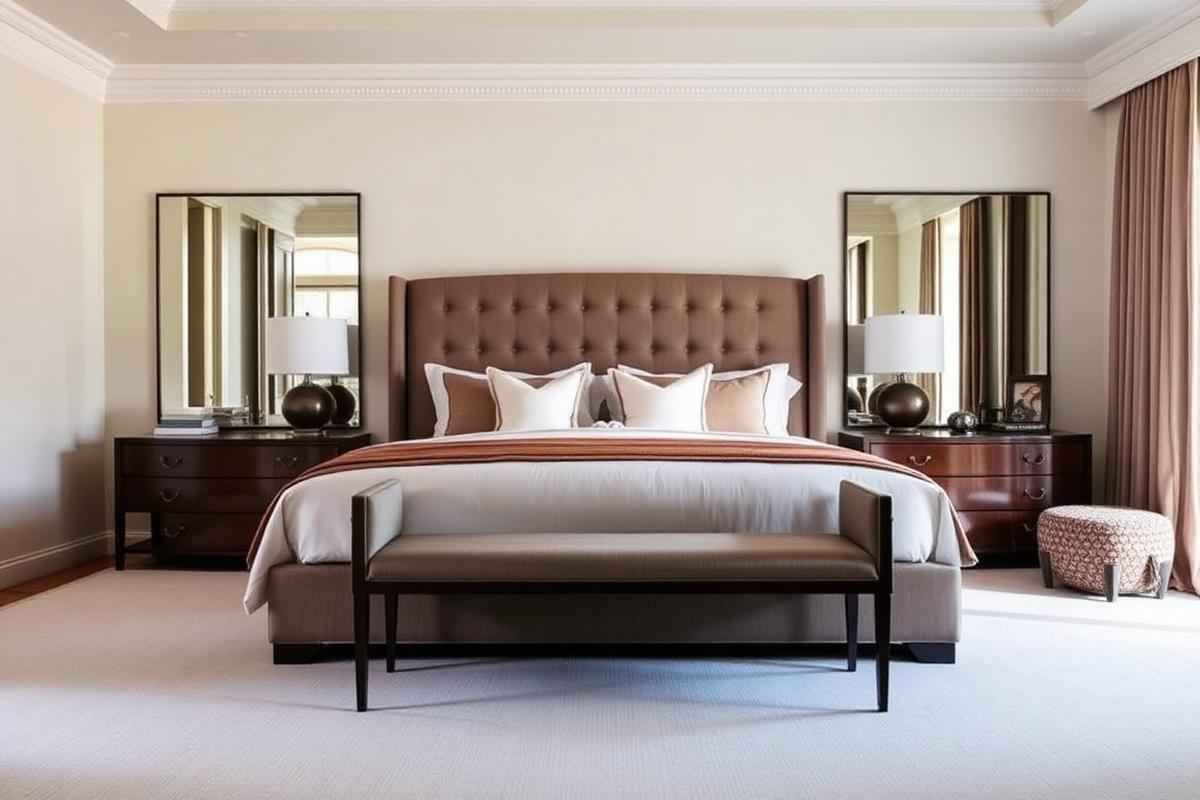
The bedside table lamp is more than just a light source; it's a critical element in establishing the room's overall mood and providing functional illumination for reading or late-night tasks. For optimal comfort and aesthetics, the bottom of the lampshade should be roughly at your shoulder height when seated in bed. This prevents harsh glare and ensures the light pools effectively for reading. A typical bedside lamp, positioned on a standard 24-inch high nightstand, often requires a lamp with an overall height of 26-30 inches to achieve this. Consider a lamp with a three-way switch or a dimmer for versatile brightness control, allowing you to transition seamlessly from bright reading light to a soft, ambient glow. Look for shades made from natural linen, rice paper, or frosted glass for a diffused, warm output.
When pairing lamps, symmetry can be serene, but don't shy away from asymmetry. Two different, but harmonizing, lamps can add visual interest. For instance, a sculptural ceramic lamp on one side and a sleek metal pendant dropping from the ceiling on the other. Ensure the light sources are roughly equivalent in their light output to maintain balance.
The Art of Ambient Lighting
Beyond bedside lamps, ambient lighting sets the fundamental tone of your bedroom. Recessed lighting, while practical, often benefits from dimmers in a bedroom setting. Aim for warm white bulbs (2700K-3000K) to enhance relaxation. A common mistake is relying solely on a single overhead fixture, which can create harsh shadows and an uninviting atmosphere. Instead, think of ambient light as a soft, overarching glow that fills the room without being the main focus.
Consider sconces flanking a dresser or an architectural feature, placed approximately 60-66 inches from the floor to avoid direct glare. For a touch of understated elegance, LED strip lighting tucked behind a headboard or along crown molding can provide a stunning, indirect ambient wash. Always test bulb Kelvin temperatures in your space before committing, as natural light varies widely and can make seemingly warm bulbs appear cooler. Prices for good quality LED strip lighting (16ft, dimmable) generally range from $30-$70, making it an accessible upgrade.
Task-Focused Lighting for Functionality
While the bedroom prioritizes rest, there are still areas where focused task lighting is essential. A reading nook, for instance, benefits immensely from a dedicated floor lamp with an adjustable arm. Place the lamp so the light source is to the side and slightly behind your shoulder, preventing shadows on your book or device. Look for models with a sturdy base and a shade that directs light downwards, like a drum or bell shape.
For a vanity or dressing table, crucial for applying makeup or styling hair, consider vanity bar lights or individual sconces placed vertically on either side of a mirror. Mounting them at eye level (around 60-66 inches from the floor) ensures even, shadow-free illumination. Avoid single overhead lights for these tasks, as they often cast unflattering shadows. When selecting bulbs, a color rendering index (CRI) of 90+ will give you the most accurate color representation, vital for makeup application. Prices for quality vanity sconces typically range from $70-$150 per fixture.
Accent Lighting for Drama and Depth
Accent lighting is where you introduce drama and highlight specific elements, adding depth and personality to your bedroom. This is not about brightness but about selective illumination. Up-lighting a favorite plant in a corner with a small, focused LED puck light (around $15-$30) can create intriguing shadows and draw attention to its form. A slim picture light mounted above artwork, carefully chosen to match the art's dimensions, can transform a wall into a gallery. Ensure the light source is angled to prevent glare on the artwork itself.
- Shelf lighting: Small battery-operated puck lights or hardwired strip lights underneath floating shelves can highlight decor items.
- Cabinet lighting: LED strips inside wardrobes or display cabinets provide both function and a touch of luxury.
- Spotlighting: A track light with adjustable heads can be aimed at a textured wall, a sculptural piece, or an architectural detail to create a focal point.
The key is to use accent lighting sparingly and intentionally, directing approximately three times more light onto the focal point than the surrounding ambient light.
Bulb Selection and Dimmer Strategies
The bulb you choose is as critical as the fixture. For bedroom lighting, warm white (2700K-3000K) is almost always the best choice for promoting relaxation. Anything higher, like 4000K 'cool white,' can feel clinical and disrupt sleep patterns. Consider wattage equivalence for LEDs, aiming for about 40-60 watt equivalent for ambient lighting and 75-100 watt equivalent for reading lamps, always paired with a dimmer.
Dimmer Strategies for Ultimate Control:
- Whole-room dimmers: Install a dedicated dimmer switch for your main overhead ambient lighting. Smart dimmers (e.g., Lutron Caséta, sekitar $60-$100 per switch) offer app control and scheduling.
- Individual lamp dimmers: Many floor and table lamps come with built-in dimmers. If not, consider a plug-in dimmer switch for vintage or non-dimmable fixtures (around $15-$30).
- Layered dimming: The most effective strategy involves dimming controls on each layer of lighting – ambient, task, and accent. This allows for precise mood-setting. Imagine dimming the overhead lights to 20%, bringing bedside lamps to 50% for reading, and having accent lights at 80% to highlight artwork. This granular control is what truly transforms a space.
Always ensure your bulbs are dimmable when pairing them with dimmer switches to prevent flickering or reduced bulb lifespan. Check the bulb's packaging for explicit 'dimmable' labeling.
Smart Lighting Integration for Modern Living
Embracing smart lighting systems can elevate your bedroom's ambiance and functionality to new heights. Systems like Philips Hue, Govee, or Lutron allow for unparalleled control over brightness, color temperature, and even specific color palettes, all from your smartphone or voice assistant. Imagine setting a 'sunrise' alarm where your lights gradually brighten instead of a jarring sound.
A common entry point is smart bulbs, which screw into existing fixtures. Start with 2-3 essential bulbs (bedside lamps, main overhead) at around $15-$50 per bulb. For a more integrated solution, smart dimmer switches replace your existing wall switches, offering control over entire circuits. Installation usually takes 15-30 minutes for a confident DIYer, or a professional electrician can do it for around $75-$150 per switch. This allows seamless integration without swapping every single bulb.
Practical Smart Lighting Setups:
- Mornings: Program lights to slowly brighten to a cool, energizing white (3500K-4000K) over 30 minutes.
- Evenings: Transition to a warm, low light (2200K-2700K) for winding down.
- Reading: Set a specific scene for bedside lamps at a focused brightness.
- Nighttime path: Motion-activated strip lights under the bed can offer a gentle, low-level glow for safe navigation without fully waking you.
The investment upfront can range from $100 for a basic starter kit to a few hundred for a comprehensive system, but the convenience and customizable atmosphere are well worth it.
Key takeaways
- Match the room to how you actually live.
- Anchor with one main piece and clear lighting.
- Layer textures, not colors.
- Leave breathing room around every object.
Frequently asked questions
Where should I start?
Start with the largest piece and the light. Everything else — art, textiles, small objects — is easier to place once those two anchors are set.
What is a realistic budget?
Prioritize the pieces you touch every day. Spend more on those and less on decorative items, which are easy to swap over time.
How long should this last?
A well-chosen main piece should last 10–15 years. Refreshes come through textiles, art, and accessories, not full replacements.

Sophia Bennett is a certified interior stylist and the senior editor at Maison Bloom. She has spent more than eight years helping homeowners and renters create warm, functional interiors, with hands-on experience across small city apartments and family homes. Her work has been informed by close collaboration with independent designers, craftspeople, and product testers.
View full profile →Related reading
Cozy Bedroom Ideas: 12 Changes That Actually Make a Difference
Cozy is a feeling built from small, specific choices. Here are the twelve that make the biggest difference.
How to Choose Bedding That Actually Feels Good
Thread count is mostly noise. Here is what actually determines how bedding feels.
Master Bedroom Decor Ideas That Feel Like a Hotel
Master Bedroom Decor Ideas That Feel Like a Hotel — a clear, editor-tested guide covering the essentials without the filler.