Small Kitchen Decor Ideas That Add Style Without Clutter
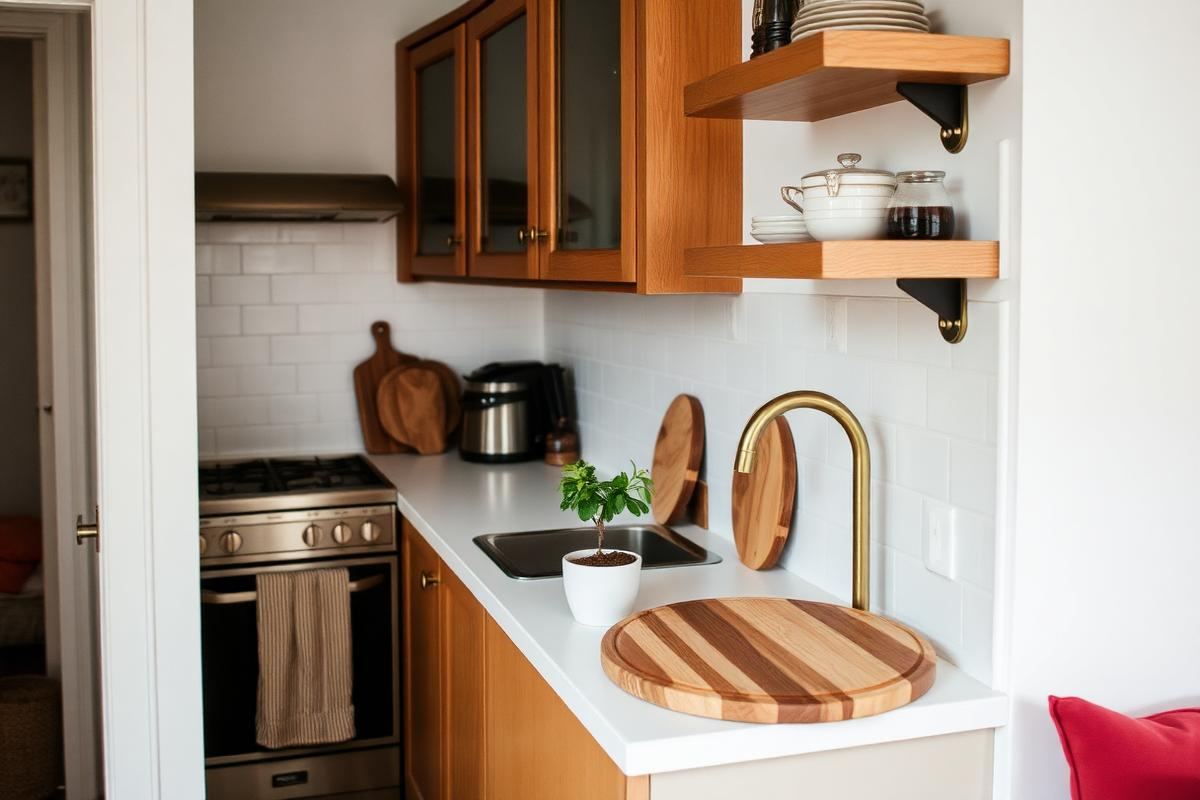
Small kitchens punish clutter, so every decorative object has to earn its spot. These are the rules we use to keep small kitchens both stylish and functional.
Rules for counter decor
Give each counter zone one, and only one, decorative object. A wood cutting board leaned against the wall, a ceramic utensil crock, a small plant — any of these work. Two or more competes for the same visual space and defeats the point.
Use the walls
A single framed print, a magnetic knife strip, or a slim floating shelf all add personality without taking counter. Keep frames simple; heavy frames look busy in a small room.
Add warm light
Swap under-cabinet lighting for warm-white LEDs and add a small lamp on the counter if there is room. Warm ambient light is the single biggest atmosphere upgrade in a small kitchen.
Maximize Vertical Space Strategically
When floor and counter space are at a premium, the vertical plane above your countertops and below your ceiling becomes invaluable real estate. Instead of viewing it as dead space, consider it an opportunity for both storage and display. The key here is strategic maximization, avoiding the temptation to simply stack without thought, which can quickly lead to an overwhelming, cluttered appearance.
Shelf Selection and Placement
- Open shelves, ideally 8-10 inches deep for most kitchens, offer accessibility and can make a small kitchen feel more expansive than bulky upper cabinets. Materials like reclaimed wood (average cost $20-$50 per linear foot, uninstalled) or sleek, powder-coated steel ($15-$40 per linear foot) can elevate the aesthetic. Install shelves 18-20 inches above the countertop for comfortable working clearance, ensuring higher shelves are for rarely used items or decorative pieces.
- For items like spices, cookbooks, or small appliances, consider narrow shelving units on an empty wall. A tiered spice rack, for example, can be mounted to the inside of a pantry door or a cabinet door, freeing up crucial counter space. Look for options with a 3-4 inch depth to keep them from protruding too much into the walkway.
- Over-the-sink shelving units or pot racks (approximate cost $40-$150) are also excellent for utilizing otherwise unused vertical space. Ensure whatever you install is securely anchored into studs, especially if holding heavy items.
The mistake many make is putting too many items on open shelving or using shelves that are too deep, which then become catch-alls. Focus on curated collections and frequently used, attractive items. Think about stacking plates vertically in a plate rack to save space, or using clear canisters for pantry staples.
Integrate Appliances Smartly
Small appliances are essential, but their footprint can quickly devour valuable counter space. Smart integration means selecting multi-functional items and finding designated homes for everything, even if that home isn't immediately visible.
Choosing Multi-Functional Appliances
- Opt for appliances that serve multiple purposes. A toaster oven that doubles as an air fryer (e.g., Cuisinart TOA-60, approx. $150-$200) saves space compared to having two separate units. Similarly, an immersion blender with chopper attachments can replace a bulky food processor for many tasks.
- Consider a compact, 2-in-1 coffee maker and espresso machine if daily coffee is a must but counter space is limited (e.g., De'Longhi Dedica EC680M, approx. $250-$300). Prioritize what you *truly* need and use daily versus occasional-use gadgets.
Storage Solutions for Appliances
For appliances used daily, like a coffee maker or a stand mixer, create a dedicated 'appliance garage' within a cabinet with a retractable or lift-up door. This keeps them readily accessible but out of sight, reducing visual clutter. If cabinetry isn't an option, a sturdy rolling cart (cost $50-$150) can house a microwave or a small oven, allowing it to be moved out of the way when not in use. Measure carefully – ensure the cart's dimensions (typically 18-24 inches wide, 14-20 inches deep) fit your appliance and the available floor space. The goal is to keep high-frequency items visible only when in use, and low-frequency items completely out of sight.
Incorporate Hidden Storage Solutions
The most effective way to combat clutter in a small kitchen is to make storage invisible. Hidden storage isn't just about closing cabinet doors; it's about optimizing every available nook and cranny to stash items out of sight, maintaining a streamlined aesthetic.
Inside Cabinet and Drawer Organization
- Install pull-out shelves or drawer organizers, especially for pots, pans, and spices. A typical two-tier pull-out cabinet organizer costs between $40-$80 and can dramatically improve access and visibility, preventing items from getting lost at the back of a deep cabinet. For drawers, use custom-fit inserts (e.g., bamboo inserts, $15-$40 per drawer) for cutlery, utensils, and small gadgets. This isn't just about neatness; it prevents the need to rummage, saving time and keeping drawer contents from spilling over.
- Consider a narrow pull-out pantry (6-12 inches wide, $100-$300 for a ready-to-install unit) in any gaps between appliances or cabinets. These are perfect for storing oils, vinegars, and canned goods in an otherwise unusable space.
- Mount hooks or small organizers to the inside of cabinet doors for items like cleaning supplies, aluminum foil, or dish towels. A set of adhesive hooks can cost as little as $5, providing instant hidden storage.
Strategic Use of Kick Plates and Toe Kicks
Don't overlook the space beneath your cabinets. Toe-kick drawers (custom-built average $100-$250 per drawer) are brilliant for storing flat, infrequently used items like serving platters, spare cutting boards, or even pet bowls that can be slid away. This requires a professional installer or a very confident DIYer, but unlocks valuable square footage that would otherwise be wasted. These drawers are typically 4-6 inches high and can be as wide as your cabinet runs.
The biggest mistake here is buying generic organizers that don't fit your specific cabinet dimensions. Always measure thrice, buy once.
Emphasize Material and Texture Consistency
In a small kitchen, visual coherence is paramount. A harmonious blend of materials and textures can make the space feel larger and more intentional, rather than a collection of disparate elements. Conversely, too many conflicting materials can create a busy, claustrophobic atmosphere.
Selecting a Cohesive Palette
- Choose a primary material theme and stick to it. For instance, if you love the warmth of wood, select wooden cutting boards, utensil holders, and perhaps a small open shelf in a similar tone. Mixing too many wood species and finishes can look messy.
- For metallic accents, pick one or two finishes – brushed nickel, matte black, or brass – and apply them consistently across hardware, light fixtures, and small appliance details. For example, if your cabinet pulls are brushed nickel, choose a brushed nickel faucet and perhaps a small brushed nickel fruit bowl. Avoid having chrome, oil-rubbed bronze, and antique brass all vying for attention.
- Incorporate textural elements through linen dishtowels, a ceramic vase ($15-$40, from artisans or home stores), or a small woven basket (average $20-$60). These add depth without adding optical weight or bulk. Aim for subtle variations within a consistent color family.
The Impact of Countertop and Backsplash Choices
If renovating, or even just accessorizing, consider how your countertop and backsplash work together. A lighter-colored, honed finish countertop (e.g., Carrara marble, approx. $70-$120 per sq ft uninstalled, or a quartz alternative, $60-$100 per sq ft) can expand the perceived space, especially when paired with a simple, continuous backsplash. A subway tile (average $2-$7 per sq ft) or a zellige tile ($8-$20 per sq ft) in a matching or complementary light tone can create a seamless flow up the wall, drawing the eye vertically and making the ceiling feel higher. Avoid overly patterned or high-contrast backsplashes in very small spaces unless it's a very subtle, monochromatic texture.
Integrate Natural Elements Thoughtfully
Bringing the outdoors in can have an outsized impact on a small kitchen, injecting freshness and life without demanding much space. The key is thoughtful integration, choosing elements that enhance rather than clutter.
Living Greenery
- Herbs in small pots are ideal. A trio of basil, mint, and rosemary in 4-6 inch terra cotta pots (approx. $5-$10 each) on a windowsill or a narrow floating shelf (e.g., IKEA Mosslanda, $10-$20) adds both color and functionality. Ensure they receive adequate light.
- Consider a single, larger, low-maintenance plant like a Pothos (average $15-$30 for a small hanging plant) in a hanging planter if counter space is truly absent. A wall-mounted planter allows greenery without sacrificing surface area. Look for planters that seamlessly integrate into your wall decor rather than protruding awkwardly.
- A small vase (e.g., Fable Ceramic Mini Vase, $18) with fresh flowers or a single branch of eucalyptus (average $5-$10 per bunch) can instantly brighten the space. Rotate these out regularly to keep the display fresh and prevent wilting arrangements from becoming unsightly.
Organic Materials and Textures
Incorporate wood, stone, or woven elements subtly. A beautiful wooden cutting board (approx. $30-$80 depending on wood type and size) leaning against the backsplash, or a stone mortar and pestle ($20-$60) that doubles as decor, adds organic texture. A small woven basket for produce (e.g., onions, garlic, or fruit) can replace a clunky plastic bowl. These elements connect the kitchen to nature, offering visual relief and a sense of calm. The mistake often made is selecting too many different types of natural elements or allowing them to become dusty and uncared for, which defeats their purpose of bringing vitality to the space.
Utilize Under-Sink Space to Its Full Potential
The cabinet under the sink is notoriously awkward due to plumbing, but it holds significant storage potential for a small kitchen if approached strategically. It's often the last frontier for hidden storage.
Obstacle-Aware Organization
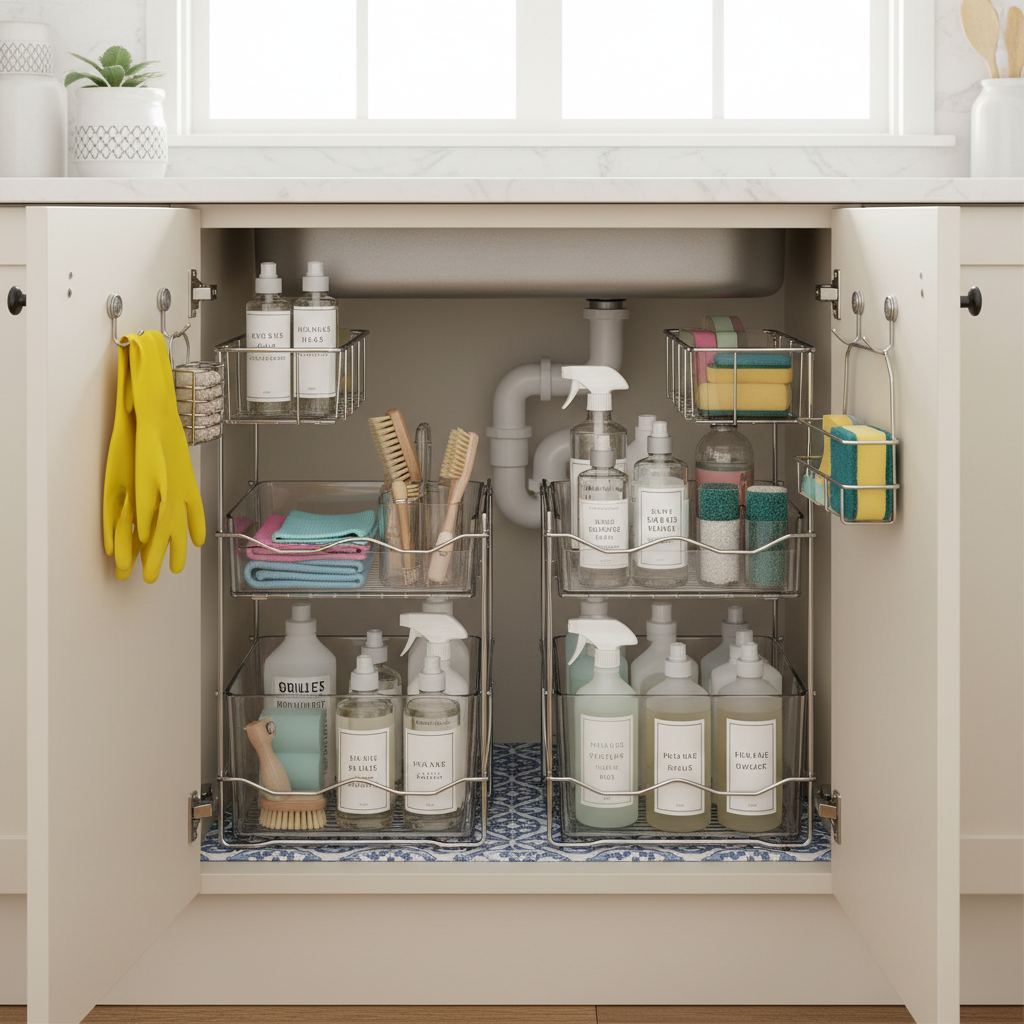
- Start by decluttering, removing anything expired, duplicated, or rarely used. Wipe down the interior. The primary challenge is the plumbing pipes. Install a U-shaped pull-out organizer (available from $30-$70) specifically designed to fit around these pipes. These are fantastic for storing sponges, dish soap, garbage bags, and cleaning sprays, keeping them upright and easily accessible.
- For taller items like cleaning bottles, consider a small, narrow basket on one side of the plumbing. For items like extra paper towels or cleaning cloths, stackable clear bins (approx. $10-$25 for a set) can work wonders, allowing you to see contents at a glance.
- Adhesive shelves or small caddies (e.g., Command Shower Caddy, $15-$25) can be mounted to the inside of the cabinet doors themselves. These are perfect for small, frequently used items like scrub brushes, rubber gloves, or small spray bottles. Ensure adhesion to dry, clean surfaces for longevity.
Smart Waste Management
Instead of a bulky, free-standing trash can taking up precious floor space, integrate a pull-out waste bin system (cost $80-$200 for a dual-bin model) under the sink. This keeps trash and recycling out of sight and frees up a valuable corner of your kitchen. Measure the width, depth, and height carefully to ensure a seamless fit around existing plumbing. A smaller 7-gallon bin can work well in tight spaces. This simple change alone can make a huge impact on perceived space and cleanliness in a small kitchen.
The most common mistake is cramming too many items under the sink without any organizational system, turning it into a black hole of cleaning supplies. Invest in solutions designed for the space.
Key takeaways
- One decorative object per counter zone.
- Use walls for personality, not the counter.
- Warm light changes the atmosphere fast.
Frequently asked questions
Should I keep small appliances on the counter?
Only the ones you use daily. Everything used less than three times a week deserves cabinet space, not counter space.

Sophia Bennett is a certified interior stylist and the senior editor at Maison Bloom. She has spent more than eight years helping homeowners and renters create warm, functional interiors, with hands-on experience across small city apartments and family homes. Her work has been informed by close collaboration with independent designers, craftspeople, and product testers.
View full profile →Related reading
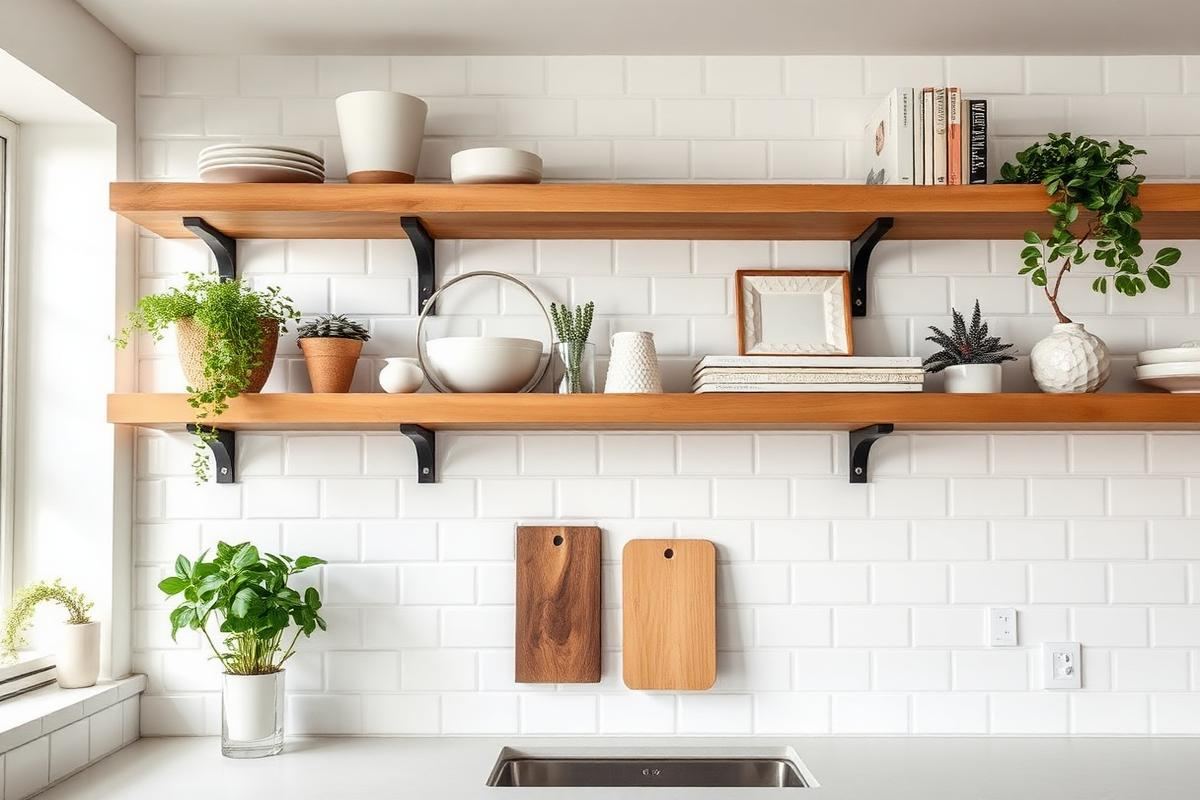
Open Kitchen Shelving: When It Works, When It Doesn't
Open shelving looks great in photos. In real kitchens, it is a lifestyle choice, not a style choice.
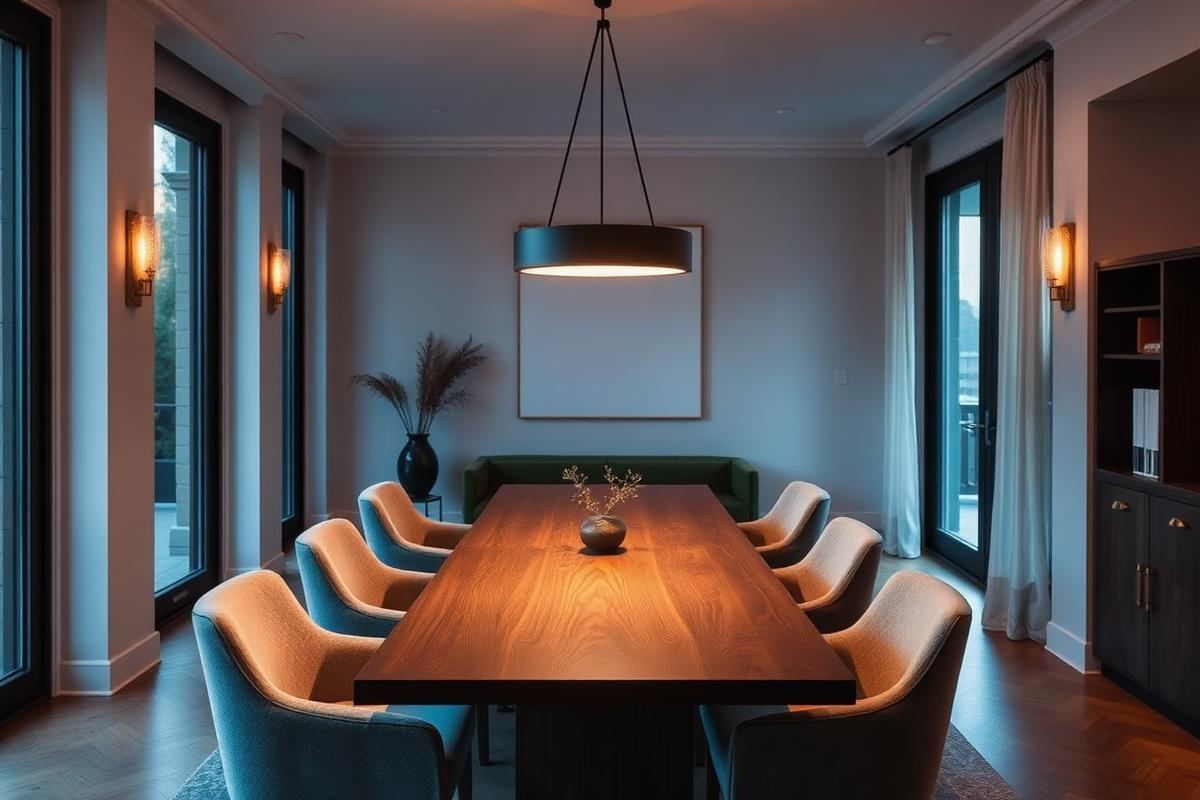
Dining Room Lighting Guide: Pendants, Height, and Bulbs
A great dining room comes down to one fixture, hung correctly, with the right bulb.