Christmas Decorating Guide: Cozy, Not Cluttered

Christmas Decorating Guide: Cozy, Not Cluttered is one of those topics where a little planning goes a long way. In this guide I walk through the process we use in real homes — not just what looks good in a photo, but what actually holds up over time.
Start here
Before you buy or move anything, measure the space and note how you actually use it. The best-looking room is one that matches how you live, so start with the routines: where you sit, where you drop keys, where the light falls in the afternoon.
The essentials
Focus on the pieces that do the most work. Get those right and the rest of the room comes together with much less effort. Aim for materials that patina rather than degrade, and colors you will still like in five years.
- Choose one clear focal point per room.
- Pick materials that improve with age.
- Layer textures instead of adding more colors.
- Leave visual breathing room — negative space is a design element.
Common mistakes
The mistakes we see most often are matching everything too tightly, over-scaling accessories, and skipping proper lighting. Fix those three and most rooms improve overnight.
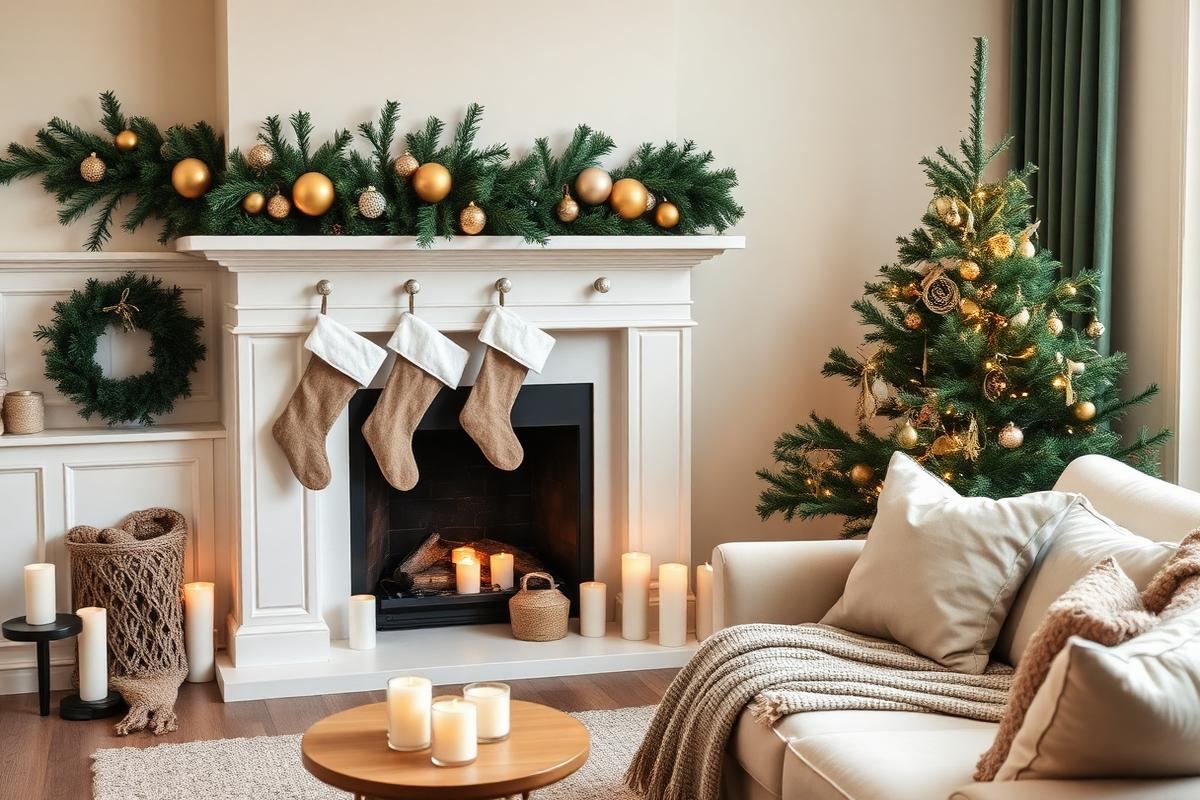
Small Space Solutions: Maximizing Charm in Compact Areas
Living in an apartment or a home with limited square footage doesn't mean sacrificing holiday cheer. The key is to be strategic and embrace verticality and multi-functional items. Instead of a large, traditional Christmas tree, opt for a slender 4-5 foot pencil tree, like the Fraser Fir Slim from Balsam Hill (around $250-$350), which has a slim 28-32 inch base diameter. Place it in a corner or between two pieces of furniture to maximize floor space. Wall-mounted decorations are your best friend. Create a festive gallery wall with small framed holiday art prints (Etsy has many starting at $5-$10 each for digital downloads you can print at a local shop for another $2-$5), or consider a string light curtain with delicate snowflake or star motifs layered over a window. These provide ambient light and a festive backdrop without encroaching on your living area.
Another brilliant tactic is to utilize shelving. Dedicate a single bookshelf or a few floating shelves to a curated Christmas display. Think miniature LED-lit houses, a grouping of three varying-height bottle brush trees (a set of 3 from Target costs about $15), or small, delicate ornaments suspended from the shelf above. For tables, use tiered serving trays to display mini pinecones, cranberries, and a small votive candle, creating a delightful focal point without taking up precious surface area. Remember, thoughtful placement is more impactful than sheer volume in smaller spaces.
Outdoor Elegance: Welcoming Curb Appeal
Your home’s exterior is the first impression for holiday guests. Instead of an overwhelming explosion of lights, aim for understated elegance. A classic, fresh evergreen wreath (a 24-inch natural fir wreath from your local nursery averages $30-$50) on the front door, adorned with a simple velvet or burlap bow, sets a sophisticated tone. For porch lighting, choose warm white LED string lights (a 100-count strand from Amazon costs around $10-$15). Outline door frames or porch railings – a common mistake is wrapping every column. Instead, focus on architectural features. For instance, if you have two porch columns, wrap just those two, using approximately 2-3 strands of 100 lights per column, spiraling upwards. Consider adding a timer ($10-$15) so lights illuminate automatically from dusk till 10 pm, saving energy and hassle.
Flanking your front door with two potted evergreens, such as dwarf Alberta spruces (around $40-$60 each for a 2-foot plant), provides a lovely symmetrical anchor. You can drape a string of battery-operated fairy lights (about $8-$12 a strand) within their branches for subtle sparkle. Avoid inflatable decor and overly bright, multi-colored lights if your goal is an elegant, cozy aesthetic. A simple 'Merry Christmas' doormat ($15-$25) and some strategically placed lanterns with flameless LED candles (a set of 2 medium-sized lanterns from HomeGoods costs around $30-$40) complete the inviting outdoor scene.
Tabletop and Centerpiece Mastery
The dining table is often the heart of holiday gatherings, making its decoration crucial. For a centerpiece that feels festive but doesn't obstruct conversation, consider a linear arrangement rather than a tall, central one. Lay down a natural linen runner (a 90-inch runner from Pottery Barn is typically $30-$50). Along its length, intersperse small mercury glass votives (a set of 6 from Michaels costs about $10), fresh sprigs of eucalyptus and silver dollar eucalyptus (a bunch from Trader Joe's is $4-$6), and a few pinecones collected from your yard or purchased from a craft store ($5 for a bag). You want about 10-12 inches between each element for a balanced look. The total height of these elements should not exceed 6-8 inches, ensuring clear sightlines.
For individual place settings, tie a small sprig of rosemary and a cinnamon stick (available at grocery stores for $3-$5) with natural twine around each napkin. This adds a sensory element of scent and a touch of rustic charm for under $1 per place setting. Avoid oversized platters or bowls that eat up too much table space. If serving a buffet, clear the table of most decor and let the food be the star. For a sit-down meal, utilize tiered stands (a 2-tier ceramic stand is $25-$40) for fruit or small appetizers, keeping the main table clear for plates and conversation. A simple yet elegant centerpiece can be achieved for under $50 by combining natural elements with humble candles.
The Art of Scent and Sound: Engaging the Senses
Cozy is as much about sensory experience as it is visual. Don't underestimate the power of festive scents and ambient sounds. For fragrance, avoid artificial sprays. Instead, simmer a potpourri on your stovetop: two cups of water, four cinnamon sticks, a sliced orange, a handful of pine needles, and a teaspoon of cloves. Let it gently simmer on low heat for hours, replenishing water as needed. This costs pennies and creates an authentic, inviting aroma that permeates your home. Another option is high-quality soy or beeswax candles with natural scents like 'Fraser Fir' or 'Cranberry Garland' (Voluspa candles, for example, are $20-$30 and have excellent throw). Place these in areas where they won't be knocked over, such as a sturdy coffee table or mantle.
- Mistake: Overpowering synthetic air fresheners that cause headaches.
- Correction: Natural simmer pots or essential oil diffusers with festive blends (pine, frankincense, orange).
For sound, create a curated holiday playlist. This isn't just about Christmas carols. Think instrumental jazz versions of holiday classics, classical pieces, or cozy folk songs. Keep the volume low enough to be background ambiance, not a performance. Use a portable Bluetooth speaker placed discreetly in a living area or kitchen, ensuring sound is distributed evenly. The goal is a subtle auditory layer that enhances the overall warm and inviting atmosphere. Consider adding a crackling fireplace sound loop on a smart speaker if you don't have a real fireplace – it's surprisingly effective for creating a cozy auditory backdrop.
Personal Touches and Heirloom Integration
To truly make your Christmas decor feel 'yours' and avoid the generic look of store displays, integrate personal touches and family heirlooms. These elements add depth and a sense of history. Rather than buying all new ornaments each year, select a few meaningful pieces. Display vintage ornaments found at antique markets (often $5-$15 each) alongside new ones. Consider framing old family Christmas cards or photos from past holidays (use simple white or silver frames, $8-$15 each, to allow the memories to shine). Arrange these on a smaller console table or a wall shelf. This transforms decor into storytelling.
Handmade elements are also invaluable. If you have children, display their homemade ornaments prominently on a lower branch of the tree. A simple paper chain garland (materials cost less than $5) draped across a doorway or mantle can be more charming than an expensive store-bought one because of the love and memories embedded within it. Don't relegate precious family pieces or sentimental objects to a box. For instance, if you have a treasured ceramic village set, dedicate a small corner table to its display, perhaps elevated slightly with an old wooden crate draped in faux snow ($5-$10 for a bag). These personalized touches are what truly differentiate a house from a home during the holidays, creating an emotional resonance that mass-produced items simply cannot replicate.
Key takeaways
- Match the room to how you actually live.
- Anchor with one main piece and clear lighting.
- Layer textures, not colors.
- Leave breathing room around every object.
Frequently asked questions
Where should I start?
Start with the largest piece and the light. Everything else — art, textiles, small objects — is easier to place once those two anchors are set.
What is a realistic budget?
Prioritize the pieces you touch every day. Spend more on those and less on decorative items, which are easy to swap over time.
How long should this last?
A well-chosen main piece should last 10–15 years. Refreshes come through textiles, art, and accessories, not full replacements.

Sophia Bennett is a certified interior stylist and the senior editor at Maison Bloom. She has spent more than eight years helping homeowners and renters create warm, functional interiors, with hands-on experience across small city apartments and family homes. Her work has been informed by close collaboration with independent designers, craftspeople, and product testers.
View full profile →Related reading
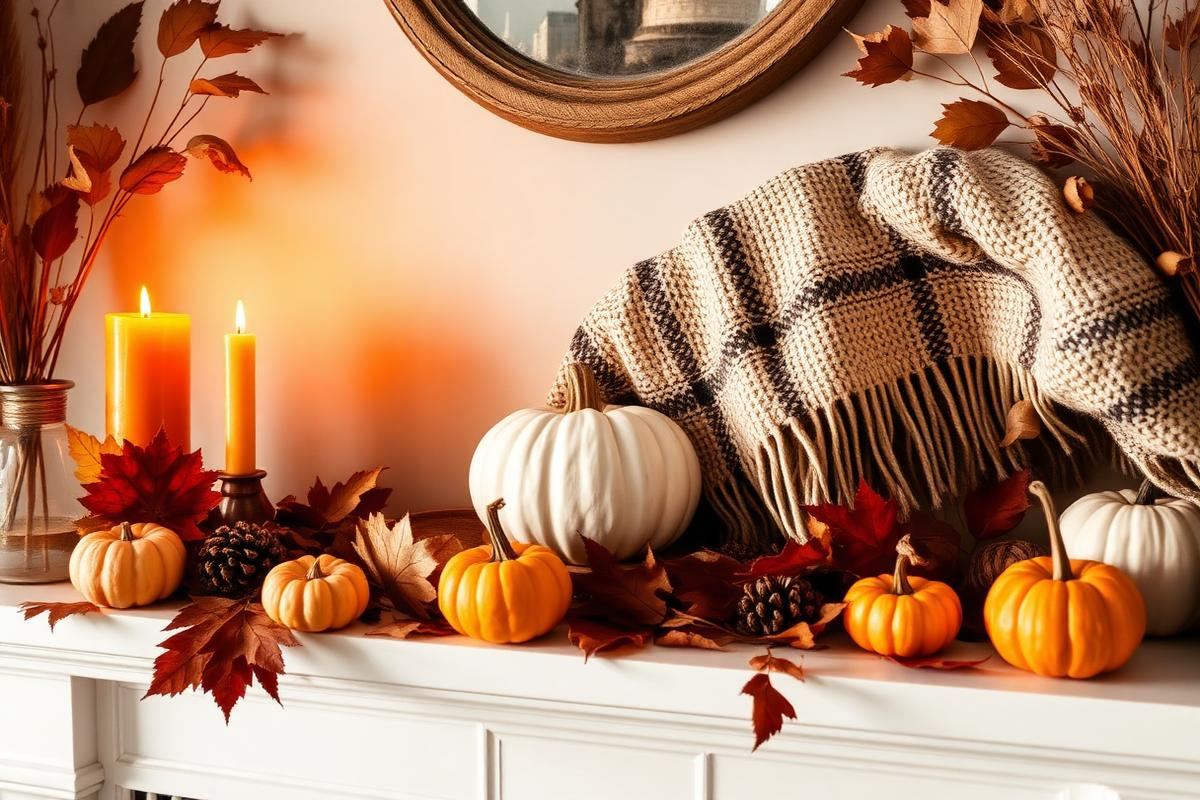
Fall Home Decor Guide: Warm Up the House Without Clutter
Great fall decor is a shift in temperature, not a shopping trip. Here is how to make the change with what you already own.
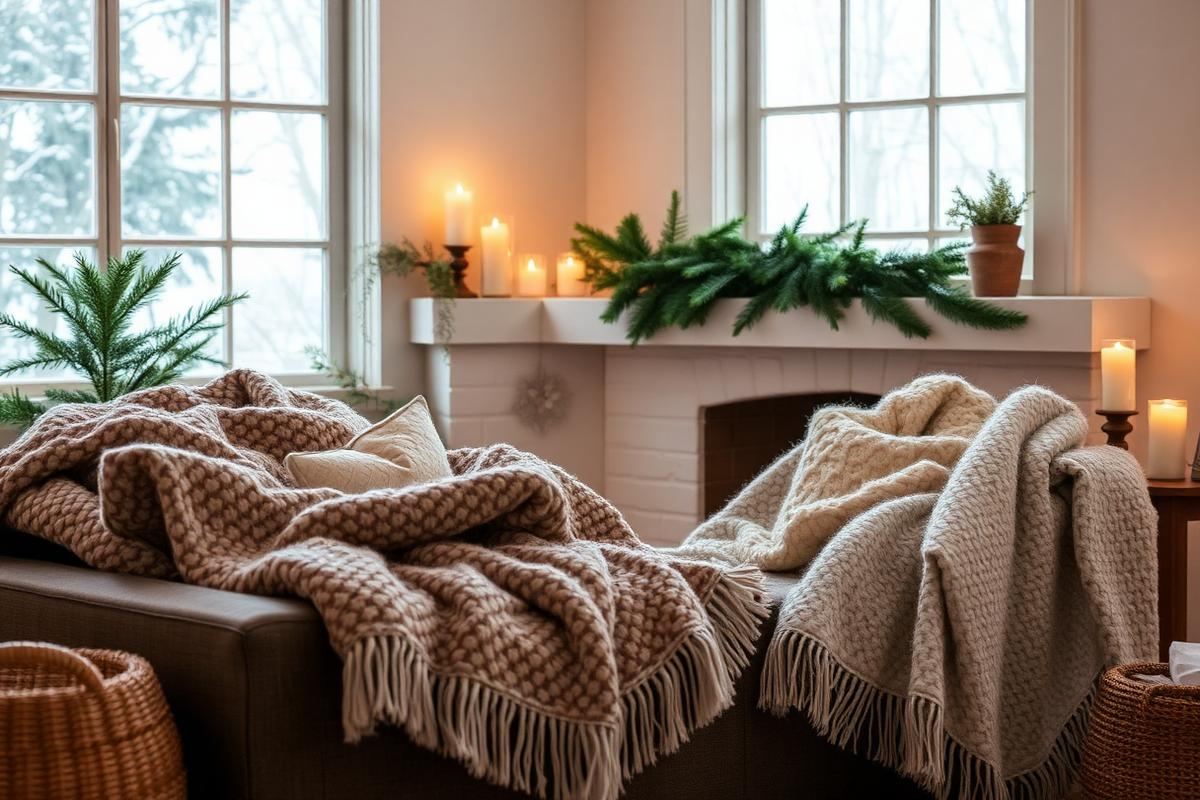
Winter Home Decor Guide: Warm Without the Kitsch
Winter Home Decor Guide: Warm Without the Kitsch — a clear, editor-tested guide covering the essentials without the filler.
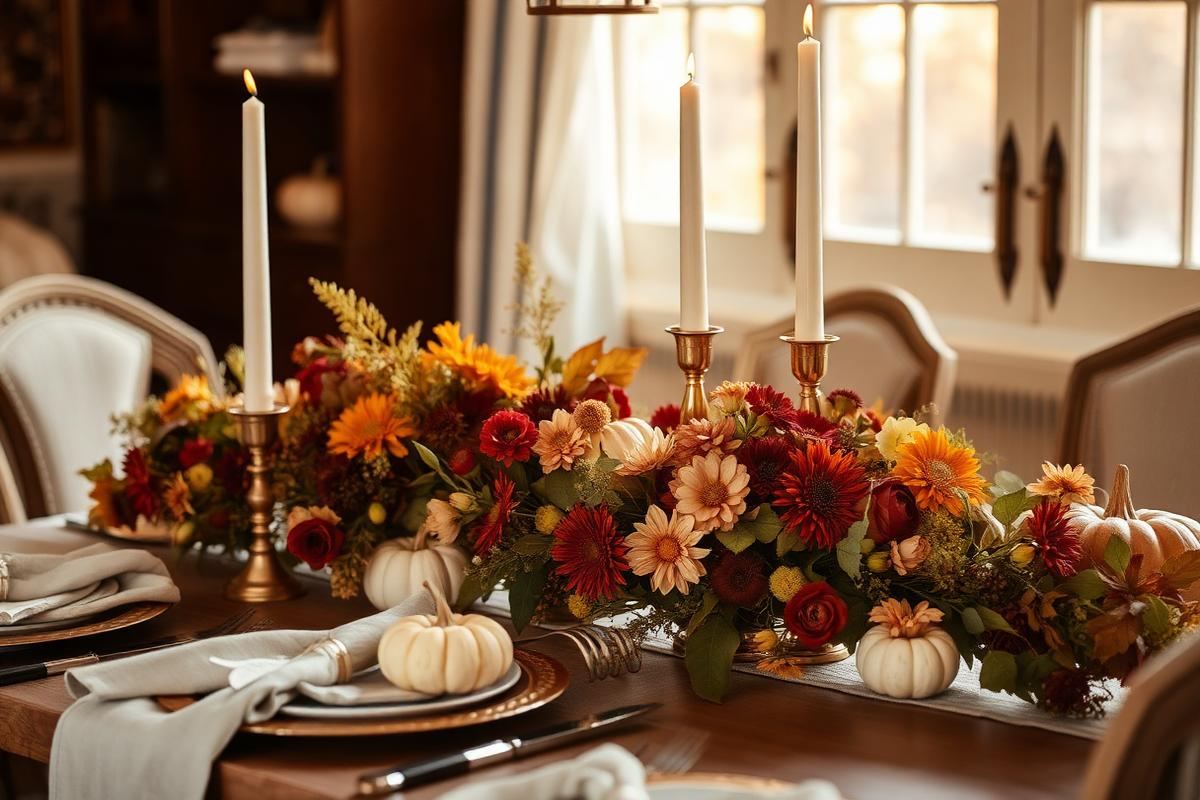
Thanksgiving Table Setting: A Foolproof Formula
Thanksgiving Table Setting: A Foolproof Formula — a clear, editor-tested guide covering the essentials without the filler.