Winter Home Decor Guide: Warm Without the Kitsch
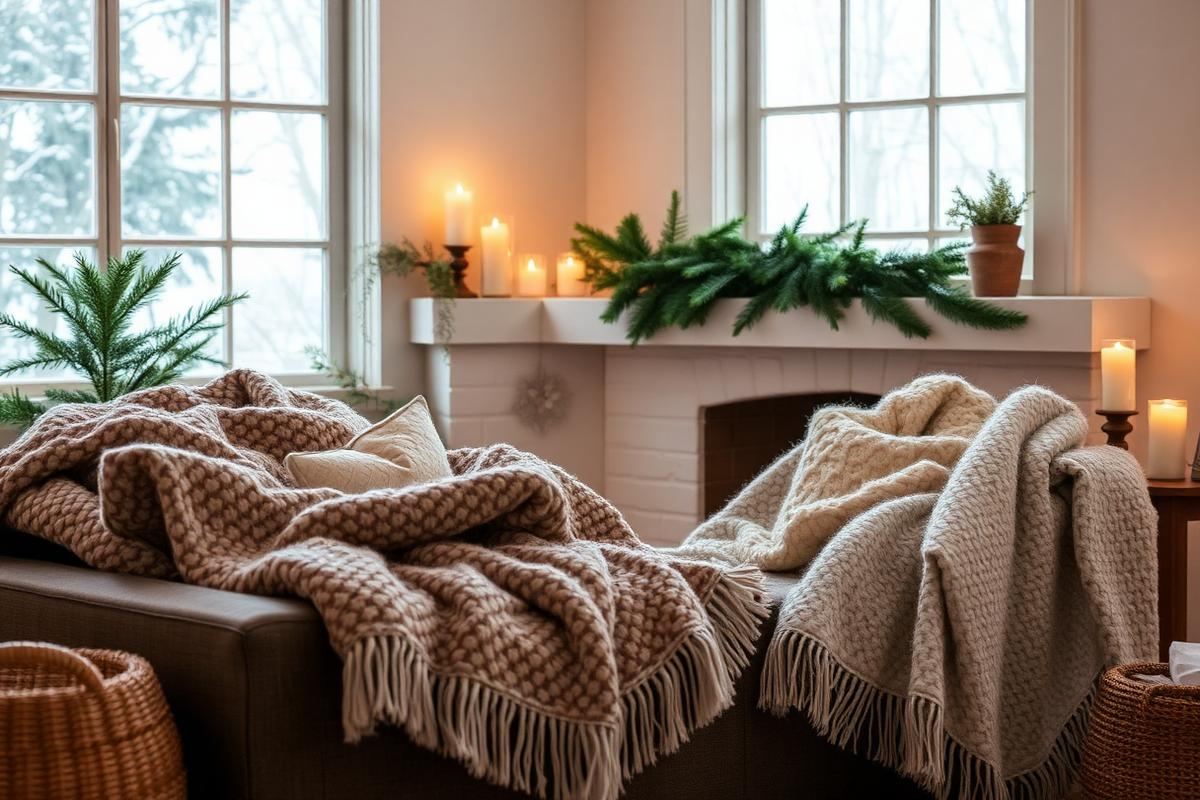
Winter Home Decor Guide: Warm Without the Kitsch is one of those topics where a little planning goes a long way. In this guide I walk through the process we use in real homes — not just what looks good in a photo, but what actually holds up over time.
Start here
Before you buy or move anything, measure the space and note how you actually use it. The best-looking room is one that matches how you live, so start with the routines: where you sit, where you drop keys, where the light falls in the afternoon.
The essentials
Focus on the pieces that do the most work. Get those right and the rest of the room comes together with much less effort. Aim for materials that patina rather than degrade, and colors you will still like in five years.
- Choose one clear focal point per room.
- Pick materials that improve with age.
- Layer textures instead of adding more colors.
- Leave visual breathing room — negative space is a design element.
Common mistakes
The mistakes we see most often are matching everything too tightly, over-scaling accessories, and skipping proper lighting. Fix those three and most rooms improve overnight.
Layered Textiles: Beyond the Throw
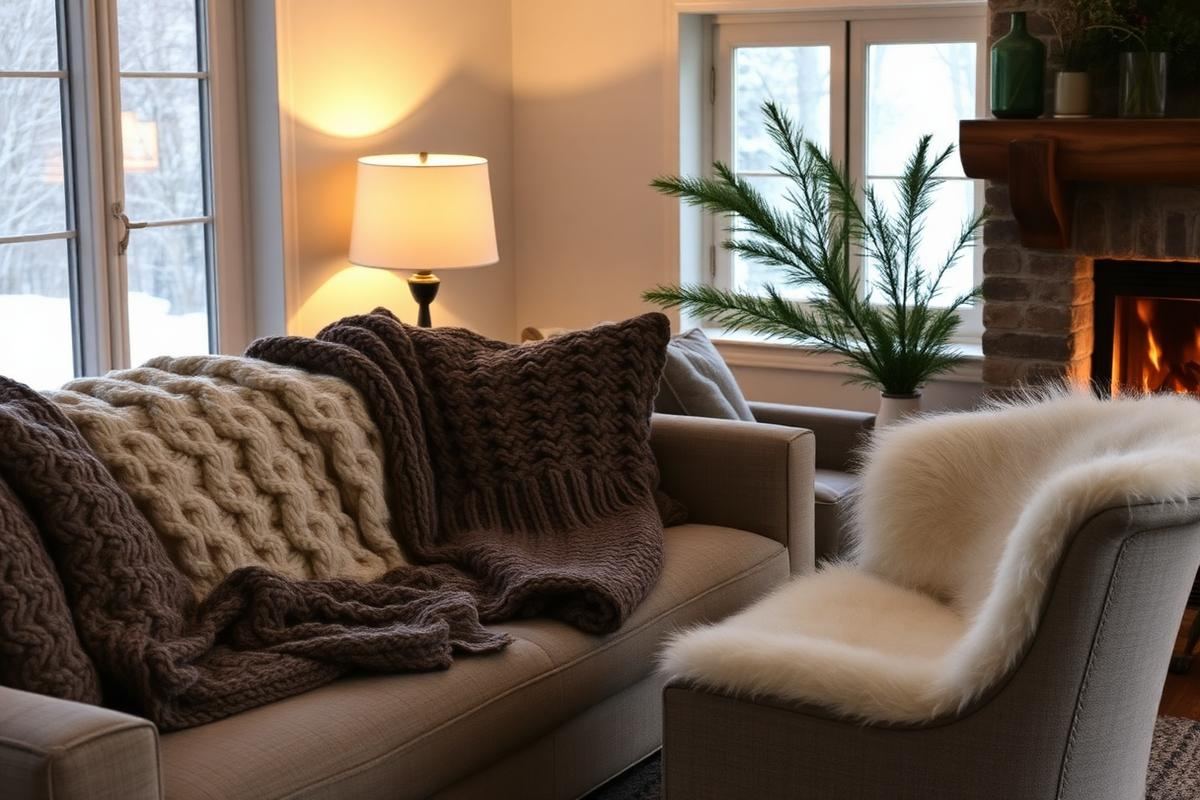
While a plush throw is a winter staple, true warmth in decor comes from a thoughtful layering of textiles that engage multiple senses. Don't limit yourself to just one blanket. Consider a sequence starting with a foundational layer, like a flat-weave jute or wool rug (think 8'x10' for a standard living room, priced around $400-$800 for quality wool). On top of this, introduce an accent rug, such as a smaller sheepskin (2'x3', usually $80-$150) placed strategically under a coffee table or at the foot of an armchair. This creates visual depth and extra insulation underfoot.
For seating, go beyond just draping. Think about cushion covers in rich, textured fabrics. Swapping out linen for velvet or chunky knit cotton on your throw pillows (standard 18"x18" covers around $20-$50 each) instantly elevates the cozy factor. Even curtains can contribute; replacing lighter sheers with insulated thermal drapes in a heavier fabric like boucle or felt (a 96" single panel can range from $70-$150) can significantly reduce drafts and maintain warmth, while adding a luxurious visual anchor to the room.
The Science of Warm Lighting
Achieving 'warm' lighting in winter isn't just about dimming; it’s about color temperature and strategic placement. Avoid harsh, cool-toned LED bulbs (anything above 3500K) for ambient lighting. Instead, opt for bulbs in the 2200K-2700K range, which emit a soft, amber glow, mirroring candlelight or a warm fire. Energy-efficient options are readily available, with a pack of six dimmable E26 base bulbs costing around $15-$25.
Layer your light sources, rather than relying on a single overhead fixture. Incorporate at least three different light sources per room to create various pools of light. This could be a floor lamp with an opaque drum shade to cast a downward glow, a table lamp with a linen shade for diffused light, and perhaps a small accent lamp on a bookshelf. Position lamps at different heights to add depth and interest. For example, a 60-inch tall arc floor lamp paired with a 24-inch tall table lamp will vary light distribution and prevent a flat, one-dimensional illumination. Always add dimmers to your main light sources to allow for flexible light intensity throughout the day and evening.
Bringing the Outside In: Strategically
While we crave the outdoors less in winter, incorporating select natural elements can connect your space to the season without introducing clutter. Focus on textures and subdued colors. Instead of vibrant summer florals, consider branches that offer architectural interest. Eucalyptus branches (a bunch for $8-$15) provide a beautiful scent and muted green tones. Bare curly willow branches (a 3-foot bundle for $10-$20) can be displayed in a tall, slender vase (18-24 inches high), adding sculptural drama to an entryway or corner.
Another effective strategy is using preserved or dried natural elements. Dried pampas grass (a bunch typically $20-$40) offers plush texture, while dried wheat stalks (similar price point) add a harvest-like warmth. For a long-lasting, low-maintenance green, consider a small, potted olive tree or a snake plant; their deep, rich greens provide contrast and life against a winter palette without requiring constant care. Place them in ceramic or terracotta pots (6-8 inch diameter, $15-$30) to reinforce the organic, earthy feel.
Elevating Fireplace and Mantel Decor
The fireplace is often the literal and metaphorical hearth of a winter home. Elevate its decor beyond simple garland. Start with a foundational large art piece or mirror (24"x36" to 36"x48" for a standard mantel) as a central anchor. This could be a landscape painting in muted tones or an antique gold-framed mirror to bounce light and add grandeur. On either side, employ asymmetry for a more dynamic look.
Think about varying heights with your accessories. On one side, group three items: a taller object like a ceramic vase (10-12 inches high, $30-$60) with a few dried botanical stems, a medium-sized pillar candle on a simple tray (6-8 inches high), and a smaller decorative weighty object like a stone sphere or paperweight. On the opposite side, place fewer, larger items, such as a stack of three vintage hardback books (varying sizes), topped with a small, sculptural object or a brass alarm clock. Ensure there's enough clear space (at least 6-8 inches) between items not to appear cramped. For a true fire, quality firewood arranged artistically in a brass or wrought iron holder (around $80-$150) adds visual interest even when unlit.
Scent as an Invisible Layer
Scent is a powerful, often overlooked, element in winter decor, capable of instantly transforming a space's perceived warmth and ambiance. Move beyond artificial, overly sweet fragrances. Focus on grounded, natural scents that evoke comfort and the season. Consider essential oil diffusers (a good quality one for a 500 sq ft room is around $40-$70) with blends of cedarwood, frankincense, wild orange, cinnamon bark, or clove. These create an earthy, subtly spiced aroma without being overpowering. Rotate scents throughout the day or week to prevent scent fatigue.
High-quality soy or beeswax candles (8oz, often $20-$40 each for good brands) in scents like 'Fireside', 'Amber & Smoke', or 'Spruce' are excellent for creating localized warmth and light. Avoid placing too many different scented items in one room; choose one primary scent and perhaps a complementary, very subtle one for another area. For a non-toxic simmer pot that fills the house with a natural fragrance, combine orange peels, cinnamon sticks, whole cloves, and a few sprigs of cedar or pine in a pot of water on the stove and let it gently simmer for an hour or two. This provides an authentic, cozy aroma without any synthetic compounds.
Key takeaways
- Match the room to how you actually live.
- Anchor with one main piece and clear lighting.
- Layer textures, not colors.
- Leave breathing room around every object.
Frequently asked questions
Where should I start?
Start with the largest piece and the light. Everything else — art, textiles, small objects — is easier to place once those two anchors are set.
What is a realistic budget?
Prioritize the pieces you touch every day. Spend more on those and less on decorative items, which are easy to swap over time.
How long should this last?
A well-chosen main piece should last 10–15 years. Refreshes come through textiles, art, and accessories, not full replacements.

Sophia Bennett is a certified interior stylist and the senior editor at Maison Bloom. She has spent more than eight years helping homeowners and renters create warm, functional interiors, with hands-on experience across small city apartments and family homes. Her work has been informed by close collaboration with independent designers, craftspeople, and product testers.
View full profile →Related reading
Cozy Bedroom Ideas: 12 Changes That Actually Make a Difference
Cozy is a feeling built from small, specific choices. Here are the twelve that make the biggest difference.
Fall Home Decor Guide: Warm Up the House Without Clutter
Great fall decor is a shift in temperature, not a shopping trip. Here is how to make the change with what you already own.

Christmas Decorating Guide: Cozy, Not Cluttered
Christmas Decorating Guide: Cozy, Not Cluttered — a clear, editor-tested guide covering the essentials without the filler.